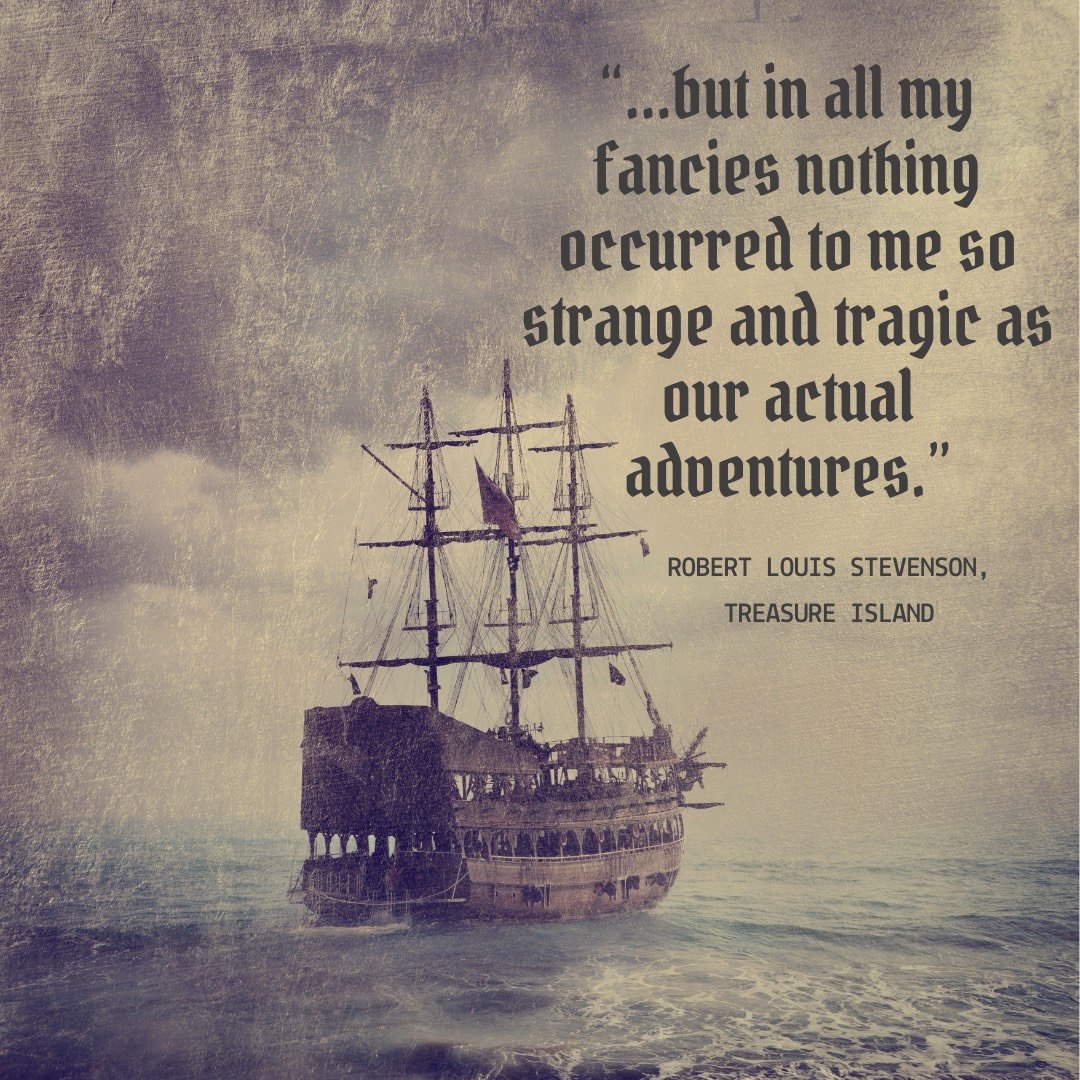
Issue 9: On braving the new year

Issue 9: On braving the new year

Out with the old. In with the new.

For someone who loves old homes, this idiom isn’t exactly on the tip of my tongue. Yet, it’s such a tempting outlook, deceptively liberating and positive. While I may not apply it to my surroundings, every year that mindset sends me into a stressful mental scurry the last week of December heading into the new year.

Because: this is the year I will get more organized. It’s this one. No, this one. I mean it this time—it’s this one.

Armed with the latest productivity planner, I typically wake early, head to the kitchen and tuck myself beside the pellet stove. Beneath a towering, old window I scribble away, making resolutions and goals and plans to meet those goals. Drawing mind maps with lots of circles. Making bulleted lists. Using words like “strategies” and “tactics.” Identifying “bad” habits to shed. (Spoiler: they’re the same every year.) “Good” habits to adopt and adding those to a wretched weekly tracker to make sure I’m on point.

Shoulders hunched, I curl over this planner, feeling the clawing weight of these trackers and lists and mind maps and calendars and meal planners and timelines.

All the while, the old window rattles, blowing cold drafts as if trying to wake me up.

I know your secret. The old window whispers. You don’t want to do this.
Read the full issue here.

Issue 8: Frankenstein: A tale of thanksgiving?

Issue 8: Frankenstein: A tale of thanksgiving?

On the eve of Thanksgiving, I watched Guillermo Del Toro’s Frankenstein which sparked a reflection on the link between bodies and houses.

Mary Shelley’s classic novel follows Victor Frankenstein, a scientist obsessed with conquering death, and the monster, Frankenstein’s wretched creation bent on revenge. No other being like him exists on the planet. His anatomy is a monstrous house, fashioned by body parts sourced from fresh corpses. Considered an abomination by even his own creator, the monster subsists, isolated and devoid of love and affection.

While part of the horror canon, Shelley’s story explores what it means to be human. She takes the reader on a poignant journey with the poor creature as he discovers life with its beauty and anguish. Alone. Without any words to describe or understand his feelings.

Del Toro does an excellent job with this heartbreaking tale. There’s a scene in the beginning of the movie where Victor Frankenstein exhibits his prototype to a panel of dignitaries. Beside his macabre model, Frankenstein looks like an architect or engineer presenting a new machine or building design. The effect is shocking. Then, the viewer follows Frankenstein as he sources body parts from hangings and battlefields. And, of course, the classic scene of the lightning storm that powers life into the monster.

Actor Jacob Elordi imbues the creature with pathos, and his performance made me wonder about how our bodies are like old homes.

Click here to read the full issue.

Issue 7: Through the Grating

Issue 7: Through the Grating

Don’t go in the basement.

While that phrase sounds like the beginning of a horror story, it was a household rule when I was growing up. I had no problem following it. Our basement gave me the creeps, beginning with its creaky wooden door and metal latch that clinked louder than the others in the house (or so it seemed). The door’s screaming hinges and latch served as an alarm, alerting the family that someone (Mom) dared to venture below.

Ignoring the warning screams of the door, this brave soul was met with a cold blast. A frozen moment on the threshold. A last chance. Turn away now. 

But sometimes there was no getting around it. Mom had to go in the basement.

Issue 6: Through the Grating

Issue 6: Through the Grating

There’s a scene in Frank Capra’s iconic film, It’s A Wonderful Life, when George Bailey and Mary Hatch stroll by the old Granville house, (an example of a Second Empire Victorian). The abandoned house is rotting. Yet,

“I love that old house. I want to live in it,” Mary says, eyes shining.

“I wouldn’t live in it if I were a ghost,” says George, grimacing in disgust and bafflement.

Click here to read the full issue.

Issue 5: Through the Grating

Issue 5: Through the Grating

I love adventure tales. Stories with larger-than-life heroes, villains, and those unforgettable, morally gray characters in between. Anyone else find they can’t resist a pirate with a heart of gold?

Give me swashbucklers sailing the high seas, explorers in search of treasure, lifesavers battling storms. Clever escapes. Daring rescues. Bold battles.

Give me scenes that crackle with the potential for disaster or triumph as characters face the unexpected before returning home—literally or metaphorically—changed in some way. For no matter where the adventure happens or what type of trial the hero faces, one thing is certain: things don’t go as planned.

Click here to read the full issue.

Issue 4: Through the Grating

Issue 4: Through the Grating

And the secret garden bloomed and bloomed and every morning revealed new miracles. —Francis Hodgson Burnett, The Secret Garden

A secret garden.

Can there be anything more tantalizing? The very idea imbues the toil of gardening with romance and is one reason why that Gothic tale, beloved in my girlhood, still captivates me. So, imagine my delight when I discovered the thorny stalks of a rose while battling weeds and prickly vines behind our Victorian house. I think my young son could sense my excitement, and he called it “the secret rose.”  

What color would it bloom? we wondered, anticipation buzzing.

Click here to read the full issue.

Issue 3: Through the Grating

Issue 3: Through the Grating

“Have you not wondered at our extreme difficulty in finding our way around?...Time after time we choose the wrong doors, the room we want eludes us.”—Shirley Jackson, The Haunting of Hill House.

My house has rooms that play hide and seek with me. Rooms that are so obvious from the outside of the house. One has floor-to-ceiling bay windows and the other, literally projects off the house, having once been a large balcony. Yet, once inside, the house hides them.

I remember when we first moved in, I often found myself walking in circles looking for a room I couldn’t find, but knew was there. An unsettling feeling, especially for a new mother. Imagine, for a moment, the idea of feeling lost at home. Yet, I’ve never felt frightened, for unlike Hill House with dark, snaring intentions, my home merely teases me like a capricious child.   

It’s like this—up the turning stairs, a narrow passageway branches off the main corridor and leads to my writing room. Beyond, the little hall opens to an alcove with a long, mullioned window. This nook deceives me into thinking it’s a dead end. From the hallway, the room is hidden from view, until I round the corner and step deeper into the alcove. Sometimes, I still get tingles of excitement when I find it.

Click here to read the full issue.

Issue 2: Through the Grating

Issue 2: Through the Grating

Here we are at the end of March—a month the poet Swinburne describes as “master of winds, bright minstrel, and marshal of storms.” *

Poets have been writing about the month of March for centuries—Wordsworth, Bryant, Dickinson, Swinburne, Neruda—whispering nuanced lines that tug at my thoughts and shape my daydreams.

My house is a poet.

I stand in the living room before bay windows much bigger than me. Below, the woolen mill’s hoary, industrial steam puffs and curls like the color of a sheep’s fleece. While over the naked hills, the March light shines soft and pink. A tease of blooms still asleep in flower beds.

But these windows have been awake and watching for 142 years. They’ve seen many gleaming skies—undeceived. For their glass is cold with drafts that whisper, remember them.